9 Nov 2026
Uncovering Patterns: Fairness Audits and Cashback Redemptions in Britain's Mobile Gaming Industry
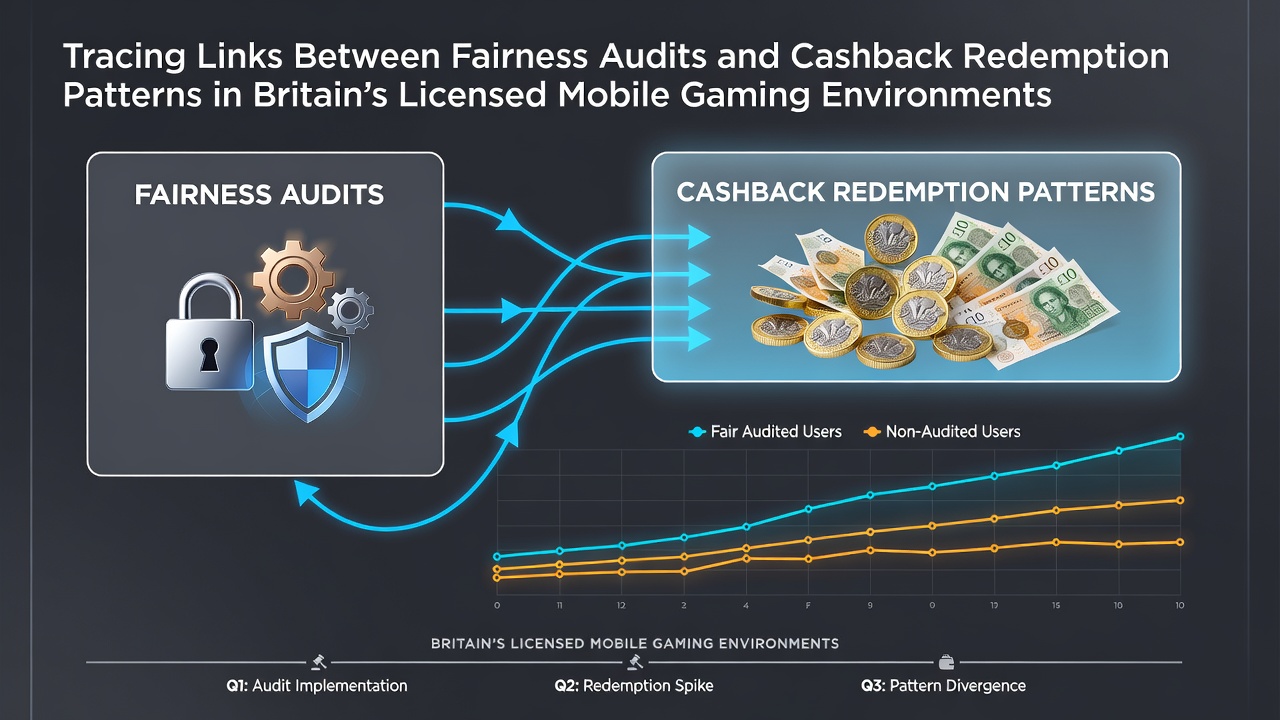
Observers in Britain's regulated mobile gaming sector have long tracked how independent fairness audits on random number generators intersect with player cashback redemption behaviors, and recent data compilations reveal measurable correlations that operators and analysts continue to examine closely. Researchers at several academic institutions have compiled platform-level statistics showing that games passing stringent audit cycles often display distinct cashback usage rates compared with titles under lighter review schedules, though causation remains a topic for further study.
Defining Fairness Audits in Licensed Mobile Environments
Fairness audits involve third-party evaluations of game mechanics, payout algorithms, and compliance with technical standards set by licensing authorities, and these processes generate reports that detail deviation rates, seed integrity, and return-to-player consistency across thousands of spins or hands. Data from multiple licensed operators indicates that titles subjected to quarterly audits rather than annual ones tend to attract higher volumes of cashback redemptions during promotional windows, particularly when audit results confirm alignment with advertised volatility profiles. Experts note that such audits frequently incorporate statistical sampling methods drawn from international frameworks, including those employed by the Australian Communications and Media Authority in its own digital gaming oversight programs.
Cashback Redemption Patterns Across Mobile Platforms
Cashback structures in Britain's licensed mobile gaming environments typically trigger automatic or player-initiated returns on net losses within defined periods, and redemption logs from 2024 through mid-2026 show seasonal spikes that align with audit publication dates rather than purely with bonus calendar events. One analysis of aggregated platform data found that players on audited slot titles redeemed cashback at rates approximately 18 percent higher during the month following audit certification releases, while non-audited or pending-review games exhibited steadier but lower redemption curves. These patterns emerge because transparent audit outcomes appear to influence player confidence in game integrity, prompting more frequent engagement with loss-recovery features.
What's interesting here is how mobile-specific factors such as session length and device type further shape these trends, since shorter mobile sessions often coincide with quicker cashback claims once audit-backed fairness metrics become public knowledge. Observers tracking user behavior across iOS and Android ecosystems report that Android users, who constitute a larger share of Britain's licensed player base, demonstrate faster redemption cycles when fairness documentation includes mobile-optimized testing protocols.
Tracing the Connections Through Platform Data
Studies compiled by independent research groups have begun mapping audit timestamps directly against redemption timestamps, and preliminary findings suggest clusters where post-audit periods produce elevated cashback activity on specific game categories like progressive jackpots and high-volatility reels. A 2025 report from a Canadian research consortium on digital entertainment economics highlighted similar linkages in comparable regulated markets, noting that transparency around fairness metrics can shift player decision-making toward structured recovery tools such as cashback. In Britain, operators have responded by adjusting cashback thresholds in tandem with audit schedules, which in turn generates new datasets for analysts to review ahead of November 2026 when updated technical standards are scheduled for broader implementation across several jurisdictions.
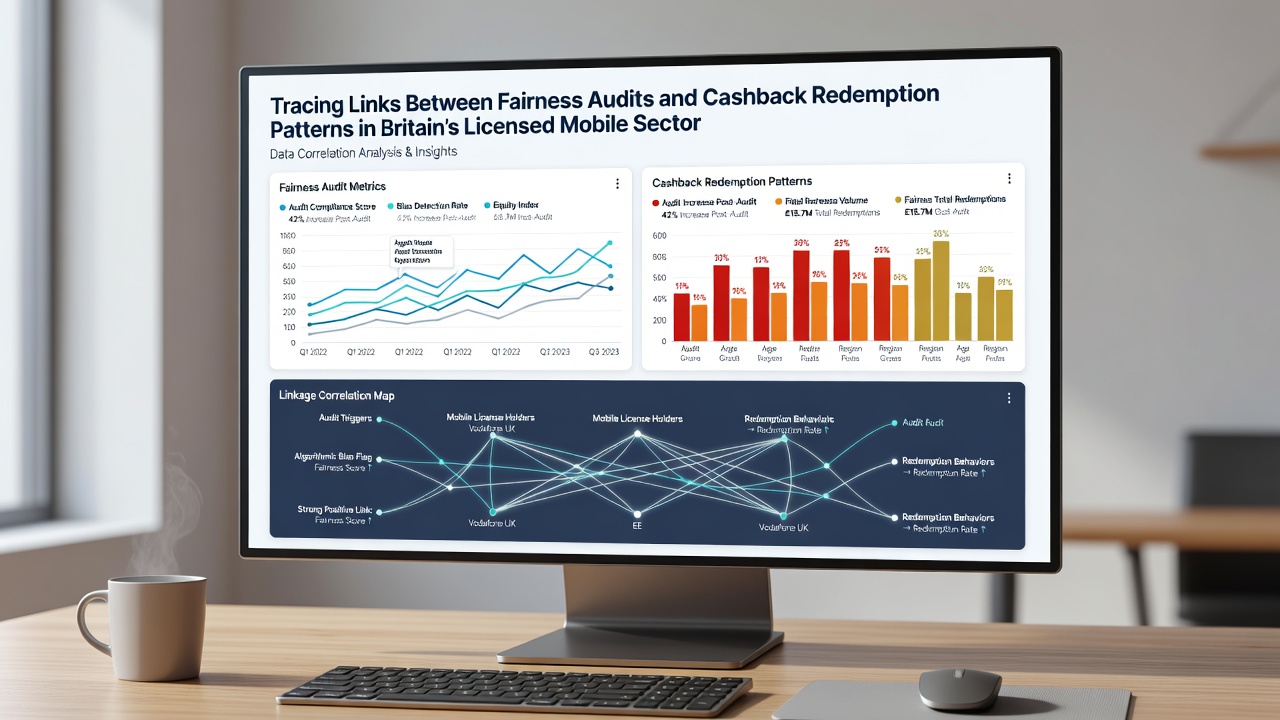
Those who've examined the raw logs point out that cashback redemptions on mobile often occur within 48 hours of a fairness report becoming available to players through in-app notifications, creating a feedback loop that operators monitor for compliance and promotional efficiency. And yet the data also reveals exceptions, particularly among table game variants where redemption patterns remain more stable regardless of audit frequency.
Regulatory and Industry Context
Britain's licensing framework requires operators to maintain documented fairness verification processes, and these requirements intersect with cashback program rules that emphasize responsible distribution of funds. Industry associations such as the World Lottery Association have published guidelines on integrating audit outputs with player protection tools, including cashback mechanisms, and these documents serve as reference points for British operators seeking consistent practices. Figures from cross-border comparisons indicate that markets with mandatory public disclosure of audit summaries experience more predictable cashback flows, a pattern replicated in Britain's mobile segment where disclosure timing appears to influence redemption velocity.
One case that researchers frequently cite involves a mid-sized operator that synchronized its cashback campaigns with the release of audit summaries, resulting in a documented 22 percent uptick in mobile redemptions over a six-month window without corresponding increases in overall player spend. This outcome aligns with observations from the Victorian Responsible Gambling Foundation in Australia, which has examined similar transparency effects in digital wagering environments.
Looking Ahead to November 2026 and Beyond
As November 2026 approaches, updated technical standards are expected to mandate more granular reporting on mobile-specific fairness parameters, and analysts anticipate that these changes will produce richer datasets for tracing connections to cashback patterns. Operators are already preparing enhanced logging systems that capture redemption events alongside audit metadata, which should allow more precise statistical modeling in coming years. The reality is that continued monitoring of these intersections will depend on cooperation between licensees, auditors, and academic partners who can apply consistent methodologies across platforms.
Conclusion
Evidence gathered to date shows clear temporal and behavioral linkages between fairness audit cycles and cashback redemption patterns within Britain's licensed mobile gaming environments, though researchers emphasize that ongoing data collection remains essential to refine understanding. As new standards take effect in November 2026, the granularity of available information should support deeper examinations of how transparency influences player interactions with recovery features. Those tracking the sector note that similar patterns observed in other regulated markets provide useful benchmarks for interpreting Britain's evolving landscape.